

How to Ship a Classic Car Safely Across the Country
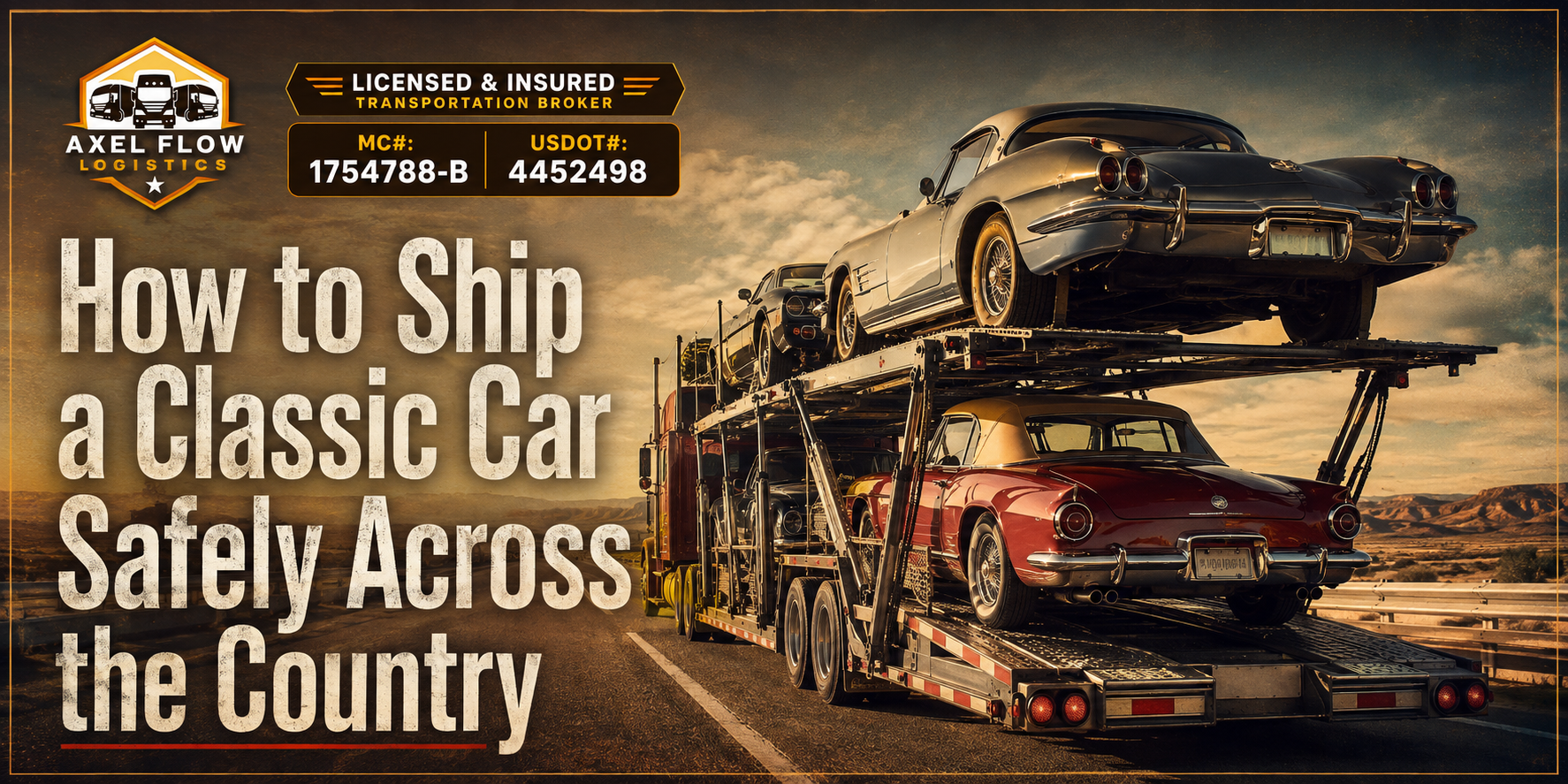
Shipping a classic car across the country is different from transporting an everyday vehicle. Whether you own a restored muscle car, vintage European model, collectible Corvette, or a family car with sentimental value, the goal is the same: get it from pickup to delivery safely and with as little risk as possible.
Classic vehicles often require additional planning because of their age, value, ground clearance, mechanical condition, and availability of replacement parts. Choosing the right transportation method and preparing the vehicle properly can make a major difference.
Here are the most important things to consider before shipping your classic car across the country.
1. Choose the Right Type of Auto Transport
The first decision is whether to use open or enclosed transport.
Open auto transport is the most common and usually the more affordable option. Your vehicle is transported on an open car carrier alongside other vehicles. For many well-maintained classic cars, open transport can be a practical and cost-effective choice.
Enclosed auto transport provides additional protection from weather, road debris, and outside exposure. It is often preferred for high-value, rare, fully restored, or show-quality vehicles.
The right option depends on the value and condition of the vehicle, your budget, and the level of protection you want during transit.
2. Work With a Licensed and Insured Auto Transport Broker
When transporting a classic vehicle long distance, price shouldn't be the only consideration.
A professional auto transport broker can help locate and coordinate with carriers that have the proper equipment and experience for your particular vehicle.
Before booking transportation, confirm that the company is properly licensed and that the carrier assigned to your shipment maintains appropriate insurance coverage.
At Axel Flow Logistics, we coordinate vehicle transportation through licensed and insured carriers and help customers manage the shipment from pickup through delivery.
3. Provide Accurate Information About Your Classic Car
Classic cars can differ significantly from modern vehicles, so accurate information is important when requesting a quote.
Provide the year, make, model, pickup and delivery locations, vehicle condition, and whether the car runs and drives normally.
You should also mention modifications such as lowered suspension, oversized tires, custom bodywork, unusual dimensions, or mechanical issues.
A vehicle with very low ground clearance, for example, may require special loading procedures or equipment. Providing those details before dispatch helps ensure that the carrier arrives prepared.
4. Document the Vehicle Before Pickup
Before handing your classic car over to the carrier, take clear photos and videos.
Capture the front, rear, both sides, wheels, roof, interior, and any existing scratches, dents, paint imperfections, or other damage.
Ideally, take the photographs in good lighting shortly before pickup.
The driver will normally conduct an inspection and document the vehicle's condition on the Bill of Lading (BOL). Review the inspection carefully before signing it and keep your own photographs until the shipment has been completed.
5. Prepare the Vehicle for Transportation
Remove personal belongings and loose objects from the vehicle before pickup. Valuable or irreplaceable items should never be left inside a classic car during transportation.
Check for fluid leaks and let the broker or carrier know about any mechanical problems beforehand.
The battery should be adequately secured, tires should be properly inflated, and the vehicle should have enough fuel for loading and unloading without carrying an unnecessary full tank.
If the vehicle is non-operable, make that clear before the carrier is dispatched. A non-running vehicle may require a winch or other equipment.
6. Don't Automatically Choose the Lowest Quote
A surprisingly low quote can look attractive, especially on a cross-country shipment. However, the lowest advertised price isn't necessarily the price at which a qualified carrier will actually accept the vehicle.
Auto transport pricing can vary according to distance, route, vehicle size, fuel costs, season, carrier availability, and pickup flexibility.
For a classic vehicle, securing an appropriate carrier is generally more important than saving a small amount by selecting the cheapest possible option.
A realistic quote gives your broker a better opportunity to find a dependable carrier without unnecessary delays.
7. Allow Some Flexibility With Pickup and Delivery
Auto transportation doesn't operate exactly like parcel delivery.
Carriers deal with traffic, weather, loading schedules, mechanical issues, federal driving-hour regulations, and multiple pickups and deliveries along their routes.
Whenever possible, provide a pickup window instead of requiring one exact hour.
For a cross-country shipment, communication is particularly important. You should know when a carrier has been assigned, approximately when pickup will occur, and the expected delivery timeframe.
8. Inspect the Classic Car Carefully at Delivery
Don't consider the shipment finished until you've inspected the vehicle.
Compare its condition with your pickup photographs and the original Bill of Lading. Walk around the entire vehicle and look carefully at the paint, body panels, wheels, glass, and other visible areas.
If you notice damage that wasn't present at pickup, document it immediately and make sure it's noted on the delivery paperwork before signing the final Bill of Lading.
Keep copies of the paperwork and photographs.
Protecting More Than Just a Vehicle
For many owners, a classic car isn't simply transportation. It can represent years of restoration work, a significant investment, a family memory, or something they've wanted to own for decades.
That's why shipping one across the country deserves careful planning.
Choosing the appropriate transport method, providing accurate vehicle information, documenting its condition, and working with experienced transportation professionals can significantly reduce the risks involved in moving your classic car hundreds or thousands of miles.
Need to Ship a Classic Car?
Axel Flow Logistics provides nationwide vehicle transportation coordination for classic, collectible, luxury, and everyday vehicles.
Whether you're buying a classic car from another state, moving your collection, attending an event, or sending a vehicle to its new owner, we can help coordinate the transportation from pickup to delivery.
Axel Flow Logistics
Licensed & Insured Transportation Broker
MC#: 1754788-B
USDOT#: 4452498
Phone: 941-491-5766 | 941-879-1898
Email: logistics@axelflowlogistics.com
Website: www.axelflowlogistics.com
